
Why SIBO Keeps Coming Back — and What’s Really Behind the Relapse
by Dr. Megan Taylor
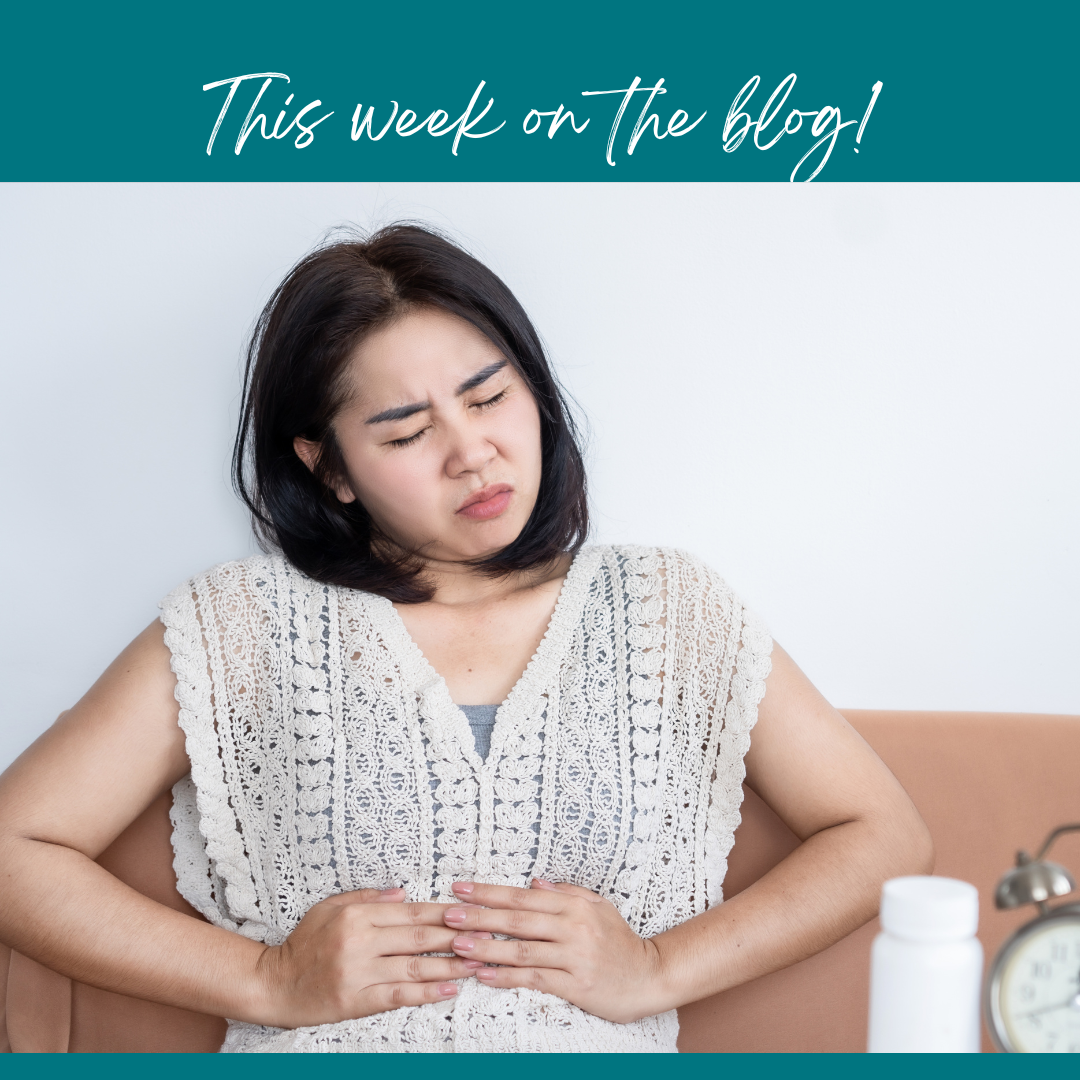
If you’ve ever gone through rounds of antibiotics or strict diets for SIBO (Small Intestinal Bacterial Overgrowth) only to have your symptoms return, you’re not alone. SIBO is one of those frustrating conditions that often seems to come back despite effective treatment. But understanding why this condition commonly recurs, you can help to break this cycle.
In this post, we’ll explore the often hidden reasons behind SIBO relapses — and what steps you and your provider can take to keep you symptom free for longer.
How Common Are SIBO Relapses?
Unfortunately, relapse isn’t rare — it’s actually the rule. A small study of patients with SIBO demonstrated that 12% of patients relapse within 3 months, 27% within 6 months, and nearly 44% within 9 months of completing antibiotics (Lauritano EC et al., 2008). While this may not apply to everyone treated for SIBO, these numbers are comparable to my clinical experience.
Most commonly, the reason SIBO relapses is because antibiotics alone don’t fix the underlying causes — the structural or physiological issues - that allowed SIBO to develop in the first place.
So, what are the common underlying structural and physiological causes of SIBO relapse and waht can you do about them?
1. When the Small Intestine’s Defenses Break Down
Your small intestine is designed to prevent bacterial overgrowth. It does this through:
Digestive secretions like stomach acid, bile, and digestive enzymes
A “janitorial cleansing wave” that occurs between meals called the “Migrating Motor Complex”
An strong mucosal immune system
Normal intestinal anatomy
When one or more of these defenses fail, bacteria can multiply and cause symptoms such as bloating, abdominal discomfort, diarrhea, or other digestive symptoms.
Common underlying causes include (Rezaie, et al. 2016):
Structural problems: adhesions (scar tissue), intestinal pouches (diverticula), or valve or sphincter dysfunction
Low digestive secretions: from long-term acid suppression (PPIs) or poor enzyme production and release
Weak immune protection: such as IgA deficiency
Poor cleansing: when the migrating motor complex isn’t working properly
2. The “Housekeeper” of the Small Intestine: The Migrating Motor Complex
One of the most overlooked causes of relapse is a deficient migrating motor complex (MMC) — the rhythmic “cleaning wave” that moves bacteria and food debris out of the small intestine between meals.
The MMC only functions during fasting, roughly every 90 minutes. Constant snacking or eating late at night can shut it down, creating stagnant conditions where bacteria thrive.
Post-infectious nerve damage (after food poisoning, travelers diarrhea or stomach flu AKA gastroenteritis) can also disrupt the MMC, making relapse far more likely.
To support your MMC, and when safe and appropriate**:**
Space meals 3–5 hours apart
Avoid eating within 3 hours of bedtime
Fast overnight for at least 12 hours
Ask your practitioner about prokinetic medications or natural options like Prucalopride/Motegrity, ginger-based supplements, or Iberogast®, etc
3. Health Conditions That Set the Stage for SIBO
Some chronic health issues slow small intestinal motility, reduce secretions, or lower immunity— all of which can trigger SIBO or make it return:
Diabetes
Hypothyroidism
Ehlers-Danlos syndrome / hypermobility
Dysautonomia, like Postural orthostatic tachycardia syndrome (POTS)
Exocrine Pancreatic insufficiency
Autoimmune Atrophic Gastritis
Parkinson’s disease
Systemic sclerosis
Traumatic brain injury
Chronic pancreatitis or fatty liver disease
Chronic stress
Medications like opioids, steroids, Proton pump inhibitors (PPI), and antibiotics can also worsen the risk of relapse.
While not everyone with the conditions, or on these medications, will develop SIBO. For those with SIBO, doing what we can to addressing these underlying factors and/or employ additional relapse prevention strategies is key to lasting relief.
4. Surgery and Adhesions: The Hidden Blockages
After surgeries — even laparoscopic procedures or C-sections — many people develop adhesions, or bands of internal scar tissue. These adhesions can create abnormal loops of the small intestine or impair effective motility, creating pockets where bacteria multiply.
Adhesions are difficult to detect on imaging, but some manual therapies such as visceral manipulation, Maya abdominal massage, or Chi Nei Tsang abdominal massage may help reduce their impact on gut motility. A specific type of physical medicine modality - Clear Passage physical therapy** -** has been show (links to research publications here) to actually reduce and remove adhesions without surgery.
5. Keeping the MMC Moving with Prokinetic support
Because poor small bowel motility is such a major contributor to relapse, many clinicians recommend prokinetic support after antibiotic treatment to support the MMC.
While typically dosed at bedtime, these prokinetic therapies can also be used between meals to support the MMC and reduce risk of relapse. Additionally, for touch cases, prokinetics may be combined to provide extra motility support.
Prescription Options
Erythromycin (low dose) — an antibiotic and motilin receptor agonist that supports stomach and early small bowel motility; dosed at sub-antibiotic levels
Low dose naltrexone (LDN) – a gentle prokinetic option often used for individuals with co-occuring autoimmunity or immune system dysfunction
Prucalopride (Resolor®) — a 5-HT4 receptor agonist that promotes motility throughout the GI track
Natural Alternatives
Ginger alone, or combined with other motility aids (5HTP, artichoke extract, etc)
Iberogast®, a botanical blend that supports motility
D-limonene containing supplements, a citrus peel extract with digestive benefits
Many more
These prokinetics should be prescribed after careful consultation with your medical provider, as not all are safe or appropriate for everyone.
6. Everyday Habits to Support Relapse Prevention
Long-term success with SIBO often depends on lifestyle choices that promote healthy digestion and motility. Here are a few to start with:
🌿 Space your meals 3–5 hours apart
🌙 Fast overnight for 12+ hours
🍽️ Eat mindfully — chew well, avoid distractions when feasible and appropriate
🧄 Support digestion with herbal bitters or enzymes
🚽 Encourage healthy bowel movements (a Squatty Potty® can help!)
🧘♀️ Manage stress, since your gut and nervous system communicate constantly
7. When It’s Not Actually SIBO
Sometimes, symptoms that look like SIBO actually come from other issues such as:
Intestinal fungal overgrowth
Pancreatie enzyme deficiency (EPI)
Bile acid malabsorption (BAM)
Large bowel microbial dysbiosis
Histamine intolerance or mast cell activation
Dysautonomia
If repeated SIBO treatments haven’t helped, it’s worth exploring these other possibilities with your health care provider.
The Bottom Line
SIBO is more than just a bacterial imbalance — it’s a symptom of deeper issues within the digestive system.
Relapse is common, but with the right combination of motility support, lifestyle changes, and treatment of underlying causes, many people can achieve longer periods of remission and better gut health overall.
Remember: antibiotics may help in the short term, but lasting symptom relief happens when you work to address the “why” behind your SIBO.
Have additional questions about SIBO or other digestive issues that you are having? Schedule a visit with one of our providers here.
warmly,
Dr. Taylor
References:
Lauritano EC, Gabrielli M, Scarpellini E, Lupascu A, Novi M, Sottili S, Vitale G, Cesario V, Serricchio M, Cammarota G, Gasbarrini G, Gasbarrini A. Small intestinal bacterial overgrowth recurrence after antibiotic therapy. Am J Gastroenterol. 2008 Aug;103(8):2031-5.
Rezaie A, Pimentel M, Rao SS. How to Test and Treat Small Intestinal Bacterial Overgrowth: an Evidence-Based Approach. Curr Gastroenterol Rep. 2016 Feb;18(2):8.