
Understanding POTS: A Guide for Patients and Families
by Dr. Megan Taylor
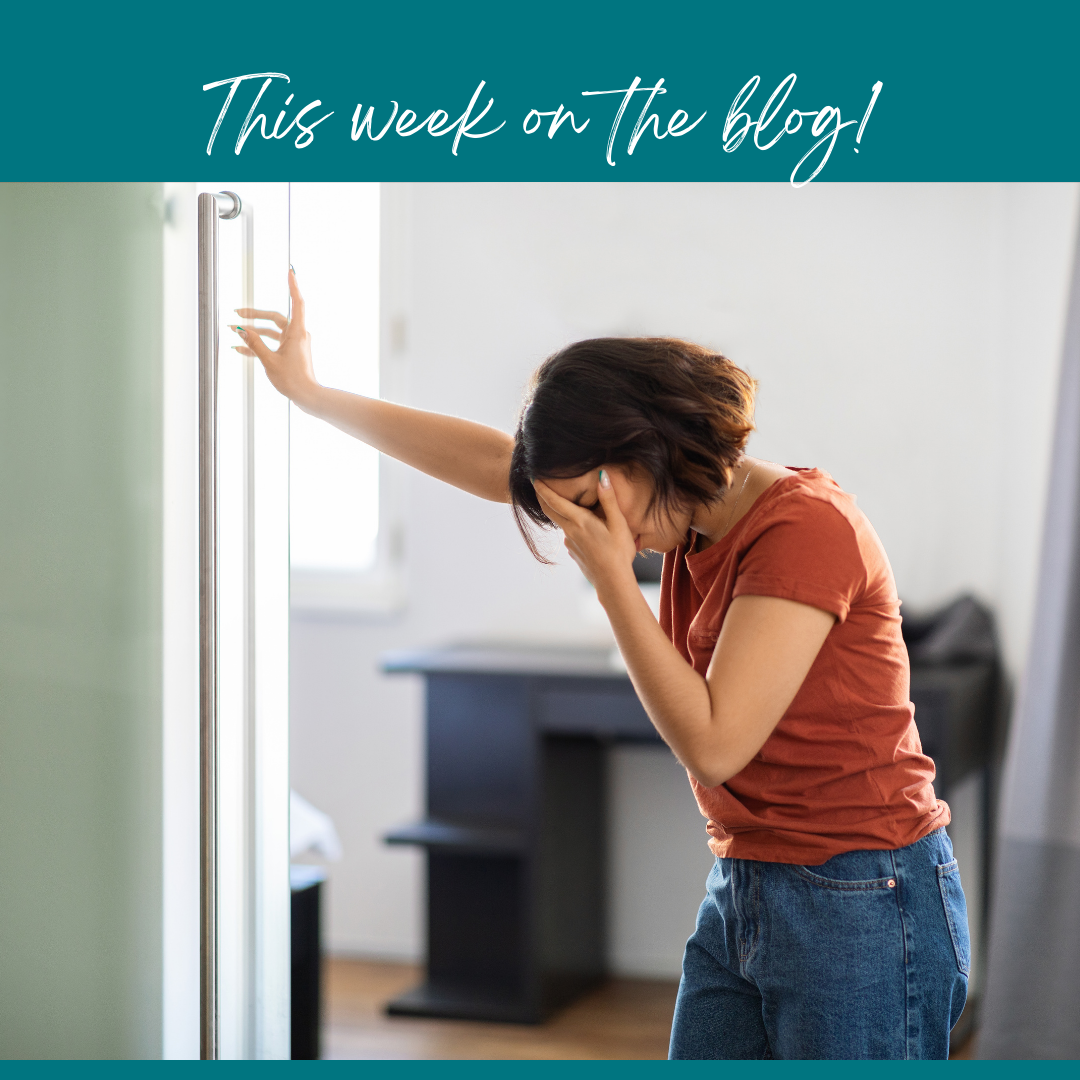
Postural Orthostatic Tachycardia Syndrome (POTS) is a disorder of the autonomic nervous system (often grouped under an umbrella condition called Dysautonomia) that affects how the body regulates heart rate, blood flow, and energy—especially under stress. While standing upright is a well-known trigger (called “orthostatic intolerance”), POTS symptoms are not limited to posture changes alone and can be provoked by any form of exertion.
The symptoms of POTS can be vague and hard to recognize, often leading to unnecessary delays in the diagnosis and treatment of this condition. Though largely invisible, this condition can be debilitating, leading to patients to limit their activities, avoid social events, reduce work hours, or even take long-term leave from work or school. But there is hope! Patients can experience real and meaningful improvement over time with the right combination of education, lifestyle strategies, and medical care.
What Is POTS?
POTS is defined by an abnormally large increase in heart rate when moving from lying down to standing without a significant drop in blood pressure. This exaggerated heart rate response reflects difficulty in the signaling processes of the autonomic nervous system which is responsible for controlling blood flow and circulation.
However, POTS is more than a “standing problem.” It is best understood as a condition of orthostatic and exertional intolerance, meaning symptoms can arise whenever the nervous system is pushed beyond its ability to adapt (Fedorowski, 2018).
Common Symptoms of POTS
Symptoms vary widely and often fluctuate day to day. Common symptoms can include:
Lightheadedness or dizziness
Rapid heartbeat or palpitations
Near-fainting or fainting
Fatigue and low stamina
“Brain fog” (difficulty concentrating, slowed thinking)
Shortness of breath
Chest discomfort
Muscle aches or weakness
Nausea, bloating, or abdominal pain
Headaches or migraines
Heat intolerance
Tremulousness or shakiness
Anxiety-like sensations
A key feature of POTS is that symptoms often improve when lying down or by taking regular rest breaks, which can help distinguish it from anxiety or a heart condition.
Not every patient with POTS will experience all of these symptoms, which can make the diagnosis more difficult to recognize.
What Triggers Symptoms in POTS?
It’s Not Just Standing
While standing upright is a classic trigger, many people with POTS experience symptoms with multiple forms of exertion, including:
Physical exertion (walking, climbing stairs, showering)
Cognitive exertion (prolonged concentration, screen time, problem-solving)
Emotional exertion (stress, excitement, conflict)
Social exertion (conversations, events, sensory overload)
Environmental stressors (heat, dehydration, illness)
These stressors can tax the autonomic nervous system, leading to exacerbations in POTS symptoms.
Post-Exertional Malaise (PEM): A Hallmark Symptom
Post-exertional malaise (PEM) is a hallmark symptom for many people with POTS and is especially common in those with overlapping conditions such as Long COVID or chronic fatigue syndrome (ME/CFS).
PEM refers to a delayed worsening of symptoms after exertion, which can occur hours or even days later. Importantly, the exertion that triggers PEM does not have to be particularly strenuous—it may follow:
A busy day
Emotional stress
Cognitive work
Social activity
Light physical activity
Symptoms of PEM may include:
Profound fatigue
Worsened orthostatic symptoms
Increased brain fog
Flu-like feelings
Pain or headache
Reduced functional capacity
This pattern helps explain why traditional “push through it” advice often worsens symptoms in POTS (Fedorowski, 2018).
What Causes POTS?
POTS can develop through several mechanisms, and in many cases, no single cause is identified. Known associations include:
Post-viral illness, including COVID 19 (a common trigger)
Autoimmune conditions
Joint hypermobility or hypermobile Ehlers-Danlos syndrome
Deconditioning after illness or injury
Concussion or traumatic brain injury
Hormonal or physiologic stressors (pregnancy, surgery)
POTS, COVID, and Long COVID
Increasing evidence shows that COVID-19 can trigger POTS, likely through immune and autonomic mechanisms. Many individuals with Long COVID report symptoms identical to POTS, including orthostatic intolerance, fatigue, brain fog, and PEM. A recent study identified about 31% of patients with severe symptoms of Long COVID as also having POTS, and another 27% patients having similar symptoms to POTS without meeting the specific diagnostic criteria (Borson, et al. 2025).
Relationship to Chronic Fatigue Syndrome
There is substantial overlap between POTS and myalgic encephalomyelitis/chronic fatigue syndrome (ME/CFS), particularly regarding fatigue, PEM, and autonomic dysfunction. These conditions frequently coexist and may share underlying mechanisms (Fedorowski, 2018).
How Is POTS Diagnosed?
Diagnosis is based on:
A detailed history of symptoms and triggers
Measurement of heart rate and blood pressure with standing
Symptoms that improve with lying down or resting
Diagnostic criteria generally include:
A heart rate increase of ≥30 beats per minute within 10 minutes of standing in adults (≥40 bpm in adolescents)
No significant drop in blood pressure
Some patients undergo Tilt-Table testing or other autonomic studies with a neurologist to confirm the diagnosis/ Laboratory tests may also be run to help rule out mimicking conditions or identify other contributors (like hormone imbalance or nutrient deficiencies) (Goodman, 2018).
Patients who do not meeting the diagnostic criteria for POTS might actually have a different form of dysautonomia that can present with many of the same symptoms.
Lifestyle Strategies: The Foundation of POTS Care
Education and lifestyle adjustments are the cornerstone of POTS management and often produce the some of the greatest benefits.³
Hydration
Aim for 2–3 liters of fluid daily, if deemed appropriate by your provider
Electrolyte-containing fluids are often helpful
Sodium Intake
Increased sodium helps expand blood volume
Many patients benefit from 3,000–10,000 mg/day, under medical supervision
Compression
Waist-high or abdominal compression garments are most effective
These reduce blood pooling in the lower body
Reconditioning and Exercise
Start with recumbent or semi-recumbent exercise
Progress slowly and consistently
Avoid pushing into PEM
Consider working with a skilled physical therapist to implement the CHOP Protocol
Symptom Pacing and Recovery
Avoid overheating
Take regular breaks lying down
Break tasks into smaller steps
Prioritize rest after exertion
Consider utilizing pacing resources, such as the Visible app
Medications Can Help
While lifestyle measures are foundational, many medications can improve symptoms by targeting heart rate, blood vessel tone, blood volume, or autonomic signaling (Miller, 2018). Treatment is individualized, and patients are encouraged to discuss medication options with their healthcare providers.
Helpful Resources for Living With POTS
Standing Up to POTS https://www.standinguptopots.org A nonprofit dedicated to improving the quality of life for people currently living with POTS and advocacy efforts
Dysautonomia International https://www.dysautonomiainternational.org An international nonprofit promoting education, research, and patient support
POTScast Podcast https://www.potscast.com Expert-led conversations covering diagnosis, treatment, and lived experience
Hope for POTS
POTS can be a chronic and sometimes lifelong condition, but it is manageable. With education, pacing, lifestyle strategies, and appropriate medical care, many people experience dramatic improvements in symptoms and quality of life.
If you think you may have symptoms of POTS, talk with your healthcare provider. You are not alone—and effective care is possible!
If you’re looking for support, you can schedule a visit with our team here.
see you in clinic,
Dr. Megan Taylor
References
Björnson M, Wijnbladh K, Törnberg A, Svensson-Raskh A, Svensson A, Ståhlberg M, Runold M, Fedorowski A, Nygren-Bonnier M, Bruchfeld J. Prevalence and Clinical Impact of Postural Orthostatic Tachycardia Syndrome in Highly Symptomatic Long COVID. Circ Arrhythm Electrophysiol. 2025 Oct;18(10):e013629.
Fedorowski A. Postural orthostatic tachycardia syndrome: clinical presentation, aetiology and management. J Intern Med. 2018;285(4):352-366.
Goodman BP. Evaluation of postural tachycardia syndrome (POTS). Auton Neurosci. 2018;215:12-19.
Miller AJ, Raj SR. Pharmacotherapy for postural tachycardia syndrome. Auton Neurosci. 2018;215:28-36.