
Navigating Teenage Acne through a Naturopathic Lens
by Dr. Lauren Oldziej
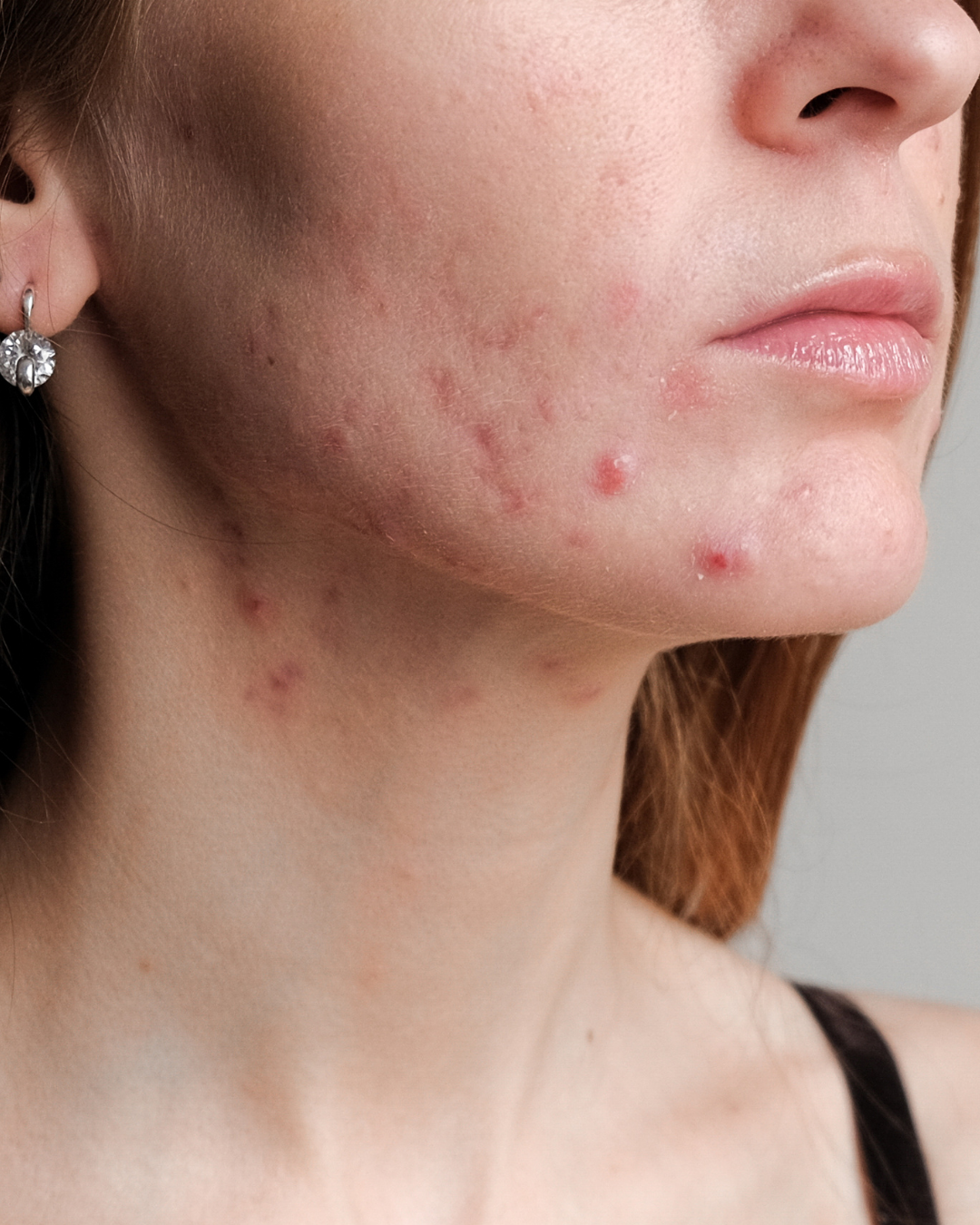
Acne is a common experience among teenagers and young adults. So much so that acne is estimated to affect about 85% of people between the ages of 12 and 24. While acne is not limited to teenagers alone, puberty creates the perfect conditions for acne to appear. Understanding how pubertal changes influence acne can help make this frustrating skin condition feel a little less mysterious.
We are all familiar that puberty is a time of active growth and development. One of the most significant changes occurring in the body is a surge in hormones. Androgens (testosterone), insulin-like growth-factor-1, insulin, and cortisol are examples of hormones that stimulate sebaceous (oil) gland growth and sebum production. Sebum is an oily substance that helps protect and moisturize the skin, but too much of it can be problematic. Excess oil mixing with dead skin cells leads to clogged pores, which is the ideal environment for bacteria living on our skin to grow and multiply. This inflammatory process in the skin leads to acne formation.
In my personal and clinical experience, acne isn’t fueled by hormones alone. There are numerous factors that can promote breakouts, including:
Increased stress
Sleep disturbance
Sweating
Dietary changes
Gut microbiome dysbiosis (imbalance)
Skincare habits.
Other non-modifiable factors include genetics and endocrine disorders such as polycystic ovarian syndrome (PCOS).
While it’s important to normalize teenage acne, not all breakouts should be ignored or managed without medical guidance. Below are some signs that warrant a visit with a healthcare provider:
Acne accompanied by irregular menstrual cycles, weight changes, unwanted facial hair growth, and/or scalp hair loss.
Severe or painful acne, especially deep cysts or nodules, and excessive scarring.
Widespread acne affecting the face, chest, back, and shoulders.
Persistent or worsening acne that does not improve with consistent over-the-counter treatments or lifestyle changes.
Acne resulting in emotional distress, including anxiety, low self-esteem, or social withdrawal.
If any of these scenarios resonate with you or your child, I am thrilled at the prospect of collaborating with you. Since acne isn’t a one-size-fits-all condition, I employ a multi-faceted and individualized approach to understand which combination of factors is at play. Treatment may include:
Addressing daily lifestyle habits
Supporting hormonal regulation and detoxification pathways
Using comprehensive testing to uncover and address microbiome dysbiosisRecommending appropriate and skin-safe topical therapies
In no way is acne a personal failure—it’s an inflammatory signal from within the body, and with the right support and patience, improvement is possible! If you feel ready to better understand and take control of acne, you’re welcome to schedule a visit with me or another provider at Neighborhood Naturopathic.
In health,
Dr. Lauren Oldziej