
Protein: Why It Matters and How Much You Actually Need
by Dr. Brie Woodruff, DNP, ARNP, FNP-C
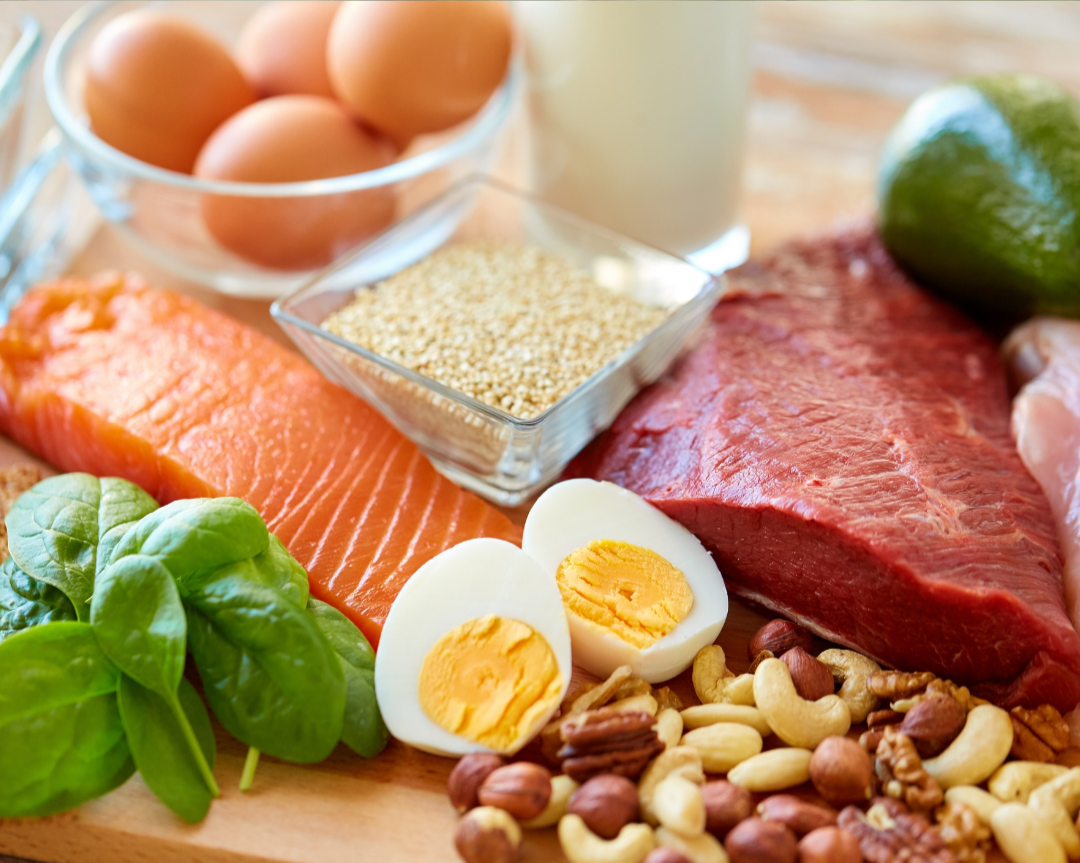
For decades protein has been the component of food that has been overlooked, dismissed, and underappreciated. We’ve gone through phases of high-fat, low-fat, low-carb, high-carb diets, yet protein has always remained neutral. But now, protein is getting its time in the spotlight and seems to be promoted EVERYWHERE these days.
So, what’s the deal with protein and how much do we ACTUALLY need?
In this post, we will break down what protein is, why it matters, how much you need, and the best places to get it.
What Is Protein, Exactly?
Protein is a macronutrient made up of essential amino acids, which are the basic building blocks your body uses to grow, repair, and function.
Unlike fats and carbs, your body doesn't store protein well, so eating it regularly is crucial. Whether you're trying to build muscle, manage your weight, boost your energy, or simply stay healthy, protein plays a central role in supporting your body.
Why Protein Matters
1. Supports Muscle Health
Protein is essential for muscle repair and growth. Whether you’re lifting weights or simply going for daily walks, your muscles depend on steady protein intake. (But… spoiler alert- eating protein WITHOUT weight training, won’t help you build muscle!).
2. Helps Manage Weight
Protein promotes fullness more effectively than fats or carbs. Higher-protein meals can help reduce snacking, regulate appetite (by influencing the hunger hormone, ghrelin), and support long-term weight management.
3. Stabilizes Blood Sugar
By slowing digestion and supporting steady insulin function, protein helps prevent spikes and crashes in blood sugar—important for energy levels and metabolic health.
4. Boosts Immune Function
Antibodies and immune cells are made of protein. When you’re short on protein, your immune system can’t operate at its full capacity.
5. Maintains Healthy Skin, Hair, and Nails
Collagen, keratin, and elastin—all structural proteins—support youthful skin, shiny hair, and strong nails. But remember, if you are using a collagen powder, this is NOT a complete protein.
How Much Protein Do You Actually Need?
Daily needs vary by age, lifestyle, and activity level. Most recommendations are based on our weight in kilograms. Kilograms = Weight in Pounds divided by 2.2 (or you can use this handy pound to kilogram calculator here)
General guidelines for recommended protein intake are:
Minimal Amount for Adults:
0.8 grams per kilogram of body weight
Active adults or athletes:
1.2–2.0 grams per kilogram
Adults (60+):
1.0–1.2 grams per kilogram to prevent muscle loss
Example:
A 150-lb (68-kg) adult needs:
54 grams at minimum, up to 80–136 grams if active.
Top Sources of Protein
Where you get your protein matters and can influence how well your body absorbs and is able to use the protein that you are taking in.
Animal-Based Protein
These offer complete proteins containing all essential amino acids:
Chicken, turkey
Fish and seafood
Eggs
Dairy: Greek yogurt, cottage cheese, milk
Lean beef and pork
Plant-Based Protein
Great options for vegetarians and vegans:
Lentils
Chickpeas
Beans (black, kidney, pinto, etc.)
Tofu and tempeh*
Quinoa*
Nuts and seeds
Edamame*
Nutritional Yeast*
*Complete Proteins
Tip: Pairing foods (like beans + rice) helps create a complete amino acid profile.
Signs You May Not Be Getting Enough Protein
You might be under-eating protein if you notice:
Fatigue or weakness
Slow recovery after workouts
Thinning hair or brittle nails
Frequent hunger
Low immunity or getting sick often
Loss of muscle tone
Easy Ways to Boost Your Protein Intake
Add Greek yogurt to smoothies
Snack on nuts, cheese, or edamame
Choose eggs for breakfast
Add beans or lentils to soups and salads
Swap pasta for quinoa or chickpea pasta
Keep cooked chicken or tofu on hand for quick meals
Consider adding a complete protein powder (such as whey or pea) to smoothies
Small daily tweaks can easily bring you up to your ideal intake.
Bottom Line
Protein isn’t just for athletes—it’s for everyone. From supporting healthy muscles to keeping your metabolism strong and your immune system resilient, protein plays a powerful role in total well-being. By choosing a variety of protein-rich foods and making mindful decisions throughout the day, you can fuel your body with everything it needs to thrive.
If you have questions about how much protein you need or ways that you can more creatively bring this into your routine, I invite you to schedule a visit with myself or one of the other providers at Neighborhood Naturopathic.
See you in clinic,
Dr. Woodruff
References
Guidance on Energy and Macronutrients across the Life Span. Heymsfield SB, Shapses SA. The New England Journal of Medicine. 2024;390(14):1299-1310. doi:10.1056/NEJMra2214275.
Dietary Protein and Weight Reduction: A Statement for Healthcare Professionals From the Nutrition Committee of the Council on Nutrition, Physical Activity, and Metabolism of the American Heart Association. St Jeor ST, Howard BV, Prewitt TE, et al. Circulation. 2001;104(15):1869-74. doi:10.1161/hc4001.096152.
Dietary Protein Intake and Human Health. Wu G. Food & Function. 2016;7(3):1251-65. doi:10.1039/c5fo01530h.
Protein "Requirements" Beyond the RDA: Implications for Optimizing Health. Phillips SM, Chevalier S, Leidy HJ. Applied Physiology, Nutrition, and Metabolism = Physiologie Appliquee, Nutrition Et Metabolisme. 2016;41(5):565-72. doi:10.1139/apnm-2015-0550.
Copilot. (2026). Microsoft. https://copilot.microsoft.com/.
Defining Meal Requirements for Protein to Optimize Metabolic Roles of Amino Acids. Layman DK, Anthony TG, Rasmussen BB, et al. The American Journal of Clinical Nutrition. 2015;101(6):1330S-1338S. doi:10.3945/ajcn.114.084053.
Protein: A Nutrient in Focus. Arentson-Lantz E, Clairmont S, Paddon-Jones D, Tremblay A, Elango R. Applied Physiology, Nutrition, and Metabolism = Physiologie Appliquee, Nutrition Et Metabolisme. 2015;40(8):755-61. doi:10.1139/apnm-2014-0530.
Understanding Dietary Protein Quality: Digestible Indispensable Amino Acid Scores and Beyond, Joseph J Matthews, Emily J Arentson-Lantz, Paul J Moughan, Robert R Wolfe, Arny A Ferrando, David D Church. The Journal of Nutrition, Volume 155, Issue 10, 2025, Pages 3152-3167, ISSN 0022-3166, https://doi.org/10.1016/j.tjnut.2025.07.005.