
Not All Supplements Are Created Equal: A Guide to Choosing Safe Supplements
by Dr. Mona Wiggins, DNP, ARNP, FNP-BC - guest blogger
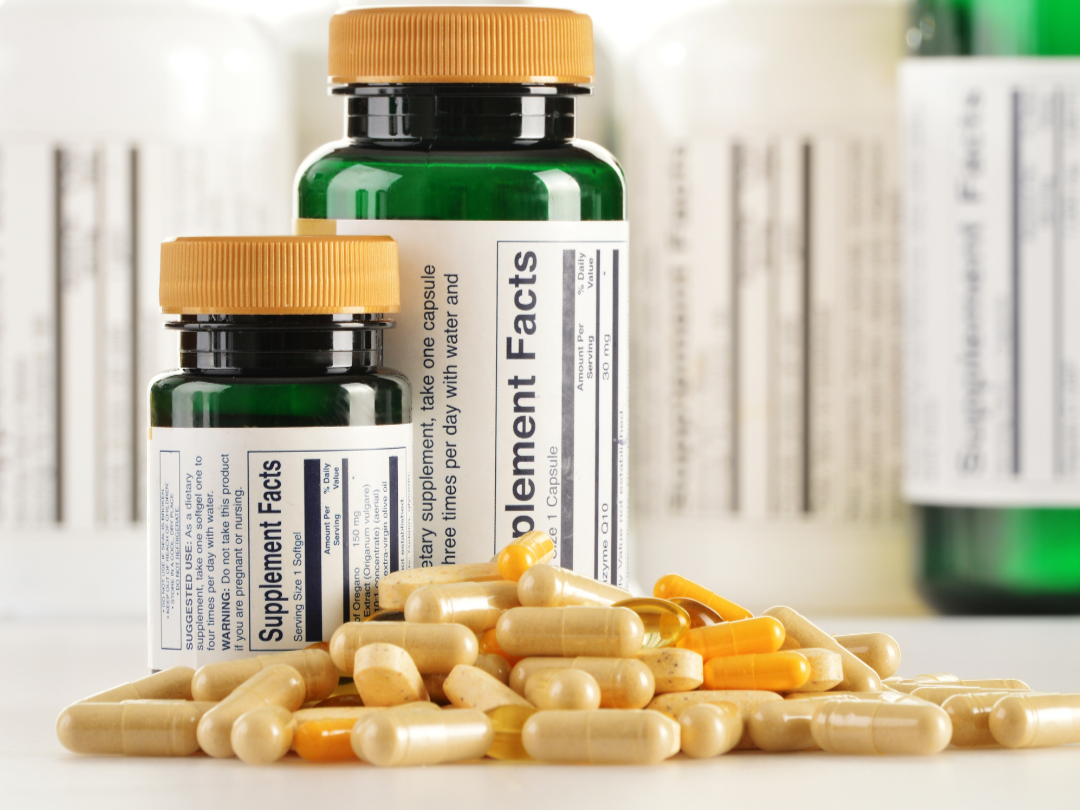
Supplements and herbs can be incredibly supportive tools for many people’s health journeys. At Neighborhood Naturopathic & Primary Care, we regularly incorporate vitamins, minerals, herbs, probiotics, and other nutritional supplements into individualized treatment plans for our patients.
However, many people are surprised to learn that not all supplements are created equally and where you purchase your supplements matters.
Research continues to demonstrate concerns regarding mislabeled or contaminated dietary supplements, including products containing undeclared pharmaceutical ingredients, contaminants, substituted ingredients, or inaccurate dosages. A 2023 narrative review published in Sports Health noted that supplement adulteration remains a significant issue within the dietary supplement industry, particularly among products sold online and within less-regulated marketplaces.¹ A 2021 review published in the British Journal of Nutrition also highlighted ongoing concerns surrounding supplement quality, misleading marketing, contamination, and regulatory limitations within the U.S. supplement industry.⁴ Additional concerns identified in the medical literature include contamination with heavy metals, microbes, stimulants, anabolic agents, or prescription medications not disclosed on the label.²
So, what should consumers know when purchasing supplements?
Understanding the Regulation Gap & Supplement Monitoring
Unfortunately, dietary supplements are not regulated in the same manner as prescription medications. Unlike pharmaceutical drugs, supplements are generally not required to undergo FDA pre-approval for safety, effectiveness, or quality prior to being sold.² ³
Under the Dietary Supplement Health and Education Act (DSHEA), supplement manufacturers are responsible for ensuring the safety and labeling accuracy of their own products before they reach the market. While manufacturers are required to follow current Good Manufacturing Practices (cGMPs), adherence and quality control can vary significantly between companies.²
Current Good Manufacturing Practices (cGMPs) are quality-control standards established by the FDA that help ensure supplements are manufactured consistently and safely. These standards address areas such as ingredient identity, purity, sanitation, equipment verification, and record keeping.³
Some manufacturers also choose to undergo independent third-party testing. Third-party testing involves outside organizations evaluating supplements to verify that products contain the ingredients and dosages listed on the label while also screening for contaminants such as heavy metals, microbes, pesticides, or undeclared substances.²
Organizations such as NSF International, USP (United States Pharmacopeia), and ConsumerLab help provide an additional layer of quality assurance beyond a manufacturer’s own claims.⁵
Concerns With Some Online Supplement Retailers
One challenge with large online marketplaces and third-party retailers is the lack of transparency regarding sourcing, storage conditions, and supply-chain handling. Supplements may pass through multiple warehouses, distributors, or third-party sellers before reaching consumers. Certain products — including probiotics, fish oils, enzymes, and herbal products — can be particularly sensitive to heat, moisture, and improper storage conditions, potentially affecting product potency and stability.
There have also been reports of counterfeit and contaminated supplements being sold through online marketplaces such as Amazon. The FDA has issued multiple public warnings regarding dietary supplements containing hidden pharmaceutical ingredients and unsafe substances.³
For these reasons, many healthcare practitioners prefer supplements sourced directly from reputable manufacturers, professional dispensaries, and/or trusted local retailers with stronger quality oversight processes.
What to Look for When Purchasing Supplements
When purchasing supplements, consider looking for:
third-party testing certifications (NSF, USP, ConsumerLab)
transparent ingredient sourcing
reputable practitioner-grade brands
clearly labeled dosages and ingredients
expiration dates and storage recommendations
companies that follow cGMP standards
supplements purchased directly from trusted manufacturers or professional dispensaries
At Neighborhood Naturopathic & Primary Care, we strive to offer our patients access to high-quality supplements from trusted sources. Below are the two options we see as reputable and trusted sources.
To get your supplements directly through the clinic you can go to your online patient portal (Charm account) and follow the instructions here.
As an alternative, Fullscript is an online dispensary that offers herbs & supplements that can be shipped directly to your home AND you save 10% off initial orders and 15% off for recurring orders! Order from Fullscript here.
We also encourage patients to support reputable local retailers and trusted supplement suppliers whenever possible. If you have questions about supplement quality, sourcing, or finding a trusted product, our team is always happy to help.
See you in clinic,
Neighborhood Naturopathic & Primary Care
References
Jagim AR, Harty PS, Camic CL. Prevalence of adulteration in dietary supplements and recommendations for safe supplement practices. Sports Health. 2023.
Brykman MC, Goldman VS, Sarma N, et al. What Should Clinicians Know About Dietary Supplement Quality? AMA Journal of Ethics. 2022.
U.S. Food & Drug Administration. Dietary Supplements. FDA Dietary Supplements Overview
Denham BE. Dietary supplements in the USA: problematic trends. British Journal of Nutrition. 2021.
Operation Supplement Safety (OPSS). Why is Third-Party Certification Important for Dietary Supplements? Operation Supplement Safety (OPSS)