
The Dirty Dozen & The Clean 15: How to Prioritize Organic Produce on a Budget
by Dr. Emily Lesnak, ND, FABNP
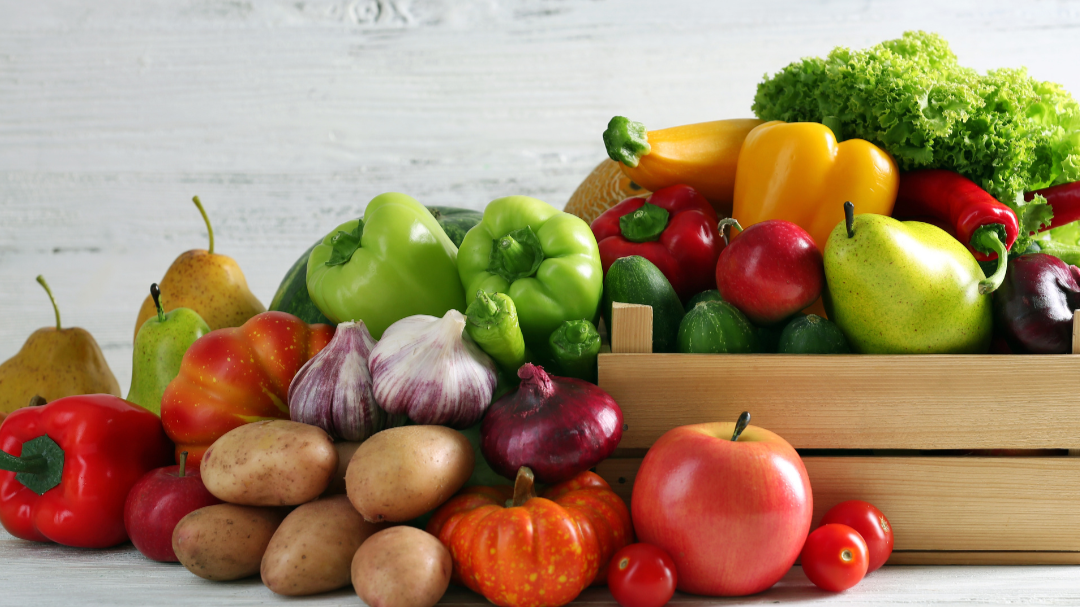
If you've ever wondered whether it's worth paying more for organic fruits and vegetables, you're not alone.
While researchers continue to study how long-term exposure to pesticide residues may affect human health, choosing organic produce can be one way to reduce your overall pesticide exposure. However, buying organic produce isn’t always realistic, especially as grocery prices continue to climb.
The good news is that you don't have to buy everything organic to make thoughtful choices. The Environmental Working Group’s (EWG) annual “Dirty Dozen” and “Clean 15” lists can help you decide where you may want to prioritize organic produce and where you might feel more comfortable saving money by purchasing conventional options, especially if you're shopping on a budget.
Whether you're concerned about health risks, feeding a family, or simply trying to stretch your grocery dollars, this guide will help you shop more intentionally without sacrificing nutrition.
What Is the EWG, the Dirty Dozen, & the Clean 15?
The Environmental Working Group (EWG) is a nonprofit research and advocacy organization focused on environmental health. Each year, EWG publishes its Shopper’s Guide to Pesticides in Produce, using pesticide-residue testing data collected by the U.S. Department of Agriculture (USDA) and the Food and Drug Administration (FDA).
The guide includes two well-known lists:
The “Dirty Dozen” - identifies 12 conventionally grown fruits and vegetables that tend to have the highest pesticide residues after washing.
The “Clean 15” identifies 15 conventionally grown fruits and vegetables that tend to have the lowest levels of detectable pesticide residues.
It's important to understand what these lists do and do not mean.
These lists are intended to help consumers decide where they may want to prioritize their organic food budget. The Dirty Dozen does not suggest that conventional produce is unsafe to eat and the Clean 15 does not mean that these foods are completely free of pesticide residues or that buying them organic offers no additional benefit.
Health experts agree on one thing: Eating fruits and vegetables—whether conventional or organic—is far healthier than avoiding them altogether because options are unaffordable or unavailable.
The EWG Dirty Dozen List
These fruits and vegetables typically have thin skins or edible leaves that make it more difficult to remove pesticide residues through washing alone.
The 2026 Dirty Dozen (foods it can be helpful to prioritize as organic) includes:
Spinach
Strawberries
Kale, collard & mustard greens
Grapes
Peaches
Pears
Nectarines
Apples
Bell & hot peppers
Cherries
Blueberries
Green beans
The EWG Clean Fifteen List
Many of these foods have thick peels or protective outer layers that reduce pesticide exposure.
The 2026 Clean 15 List includes:
Pineapple
Sweet corn (fresh and frozen)
Avocado
Papaya
Onion
Sweet Peas (frozen)
Asparagus
Cabbage
Cauliflower
Watermelon
Mangoes
Bananas
Carrots
Mushrooms
Kiwi
9 Smart Ways to Stretch Your Organic Food Budget
1. Prioritize the Dirty Dozen
If your grocery budget doesn't allow for buying everything organic, prioritize the produce your family eats most often from the Dirty Dozen list.
For example, if your household goes through several containers of strawberries each week, buying organic strawberries may have a greater impact than purchasing organic produce you rarely eat.
Think about both frequency and quantity when deciding where to spend your organic food budget.
2. Save with the Clean 15
Similarly, you can use the Clean 15 list to find places to save. Buying these conventionally as non-organic produce can free up money for organic versions of higher-priority produce.
3. Buy Frozen Organic Produce
Frozen organic berries, spinach, green beans, and broccoli are often significantly less expensive than fresh organic options.
They're picked at peak ripeness and retain excellent nutritional value.
4. Shop Seasonal Produce
Organic produce is typically more affordable when it's in season.
Shopping local and seasonal can save money while providing fresher fruits and vegetables.
5. Visit Local Farmers Markets
Many small farms use fewer pesticides than conventional agriculture, even if they aren't certified organic.
Ask farmers about their growing practices—you may find excellent produce at competitive prices.
6. Buy Store Brands
Many grocery stores now offer affordable organic private-label products that cost less than national brands.
7. Stock Up During Sales
Organic berries, apples, and frozen vegetables often go on sale.
Buy extra and freeze what you won't use immediately.
8. Wash All Produce
Whether you buy conventional or organic produce, always rinse fruits and vegetables thoroughly under running water before eating.
While washing won't remove every pesticide residue, it helps reduce dirt, bacteria, and some surface residues.
9. Focus on Eating More Produce
The greatest health benefit comes from eating enough fruits and vegetables—not from achieving a perfect organic grocery cart.
Don't let the pursuit of organic prevent you from buying produce altogether.
Frequently Asked Questions
Is the Dirty Dozen scientifically proven?
The Dirty Dozen is based on pesticide residue data collected by the USDA and FDA. However, some scientists and public health organizations point out that the detected residue levels on conventional produce generally remain below established regulatory safety limits.
The list is best viewed as a budgeting tool for consumers who wish to reduce pesticide exposure—not as evidence that conventional produce is unsafe.
Should I only buy organic produce?
No.
If buying organic fits your budget, it may be a reasonable choice for some foods. If not, conventional fruits and vegetables still provide essential vitamins, minerals, antioxidants, and fiber.
Eating more produce is far more important than whether it's organic.
Is frozen produce healthy?
Absolutely.
Frozen fruits and vegetables are often just as nutritious as fresh produce and can be an excellent budget-friendly option.
The Bottom Line
Healthy eating doesn't have to be all or nothing.
If your grocery budget is limited, use the EWG Dirty Dozen as a guide for prioritizing organic purchases while choosing conventional options from the EWG Clean Fifteen to save money.
Most importantly, focus on building a diet rich in fruits and vegetables in whatever form works best for your lifestyle and budget. Every small step toward eating more whole foods supports your long-term health.
Have additional questions about food, diet, or nutrient needs for you or your family? I invite you to schedule a visit with me or one of the other providers in our clinic.
See you in clinic,
Dr. Lesnak, ND, FABNP
You can read Dr. Lesnak’s full bio here.