
by Dr. Grace Downs, ND
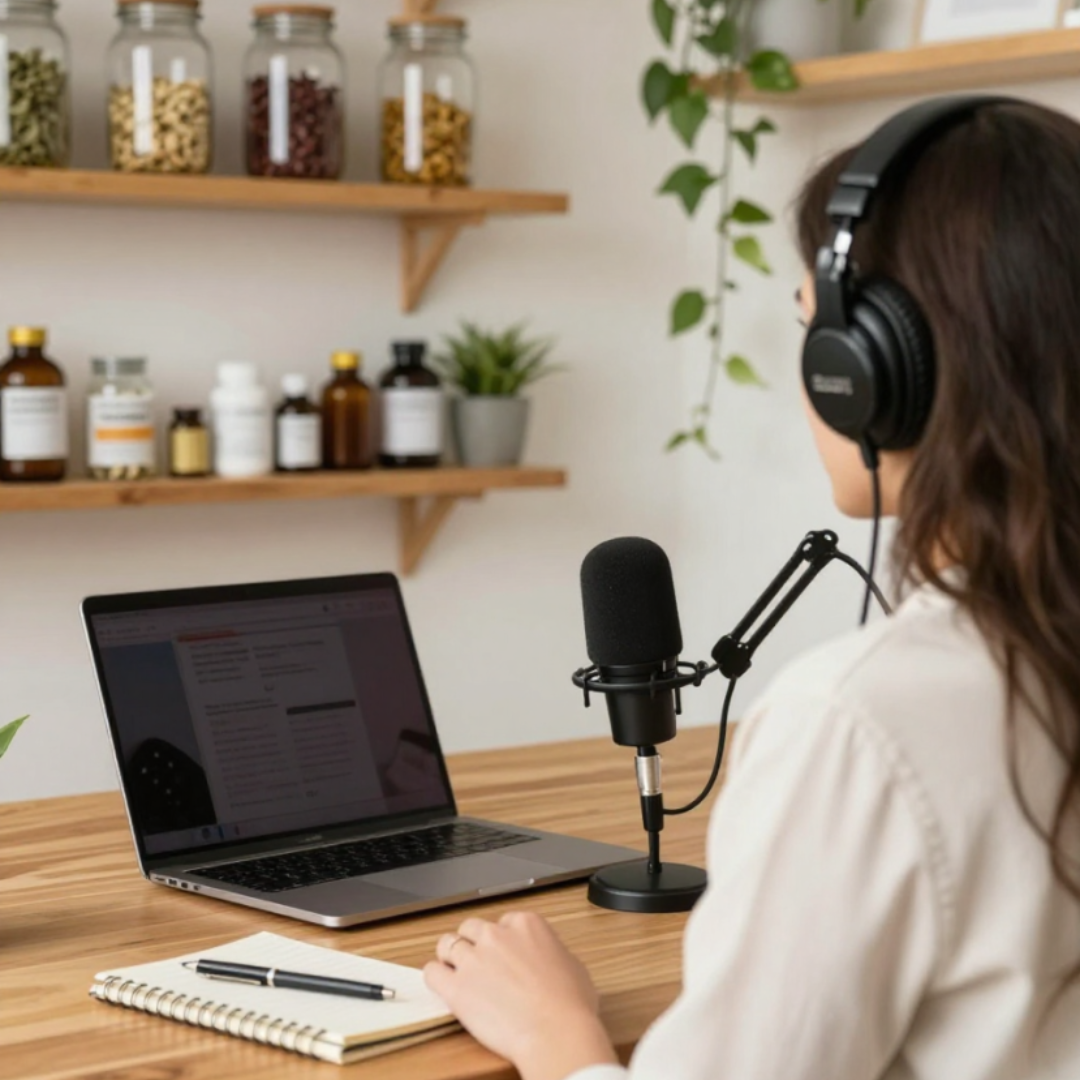
In primary care, a frequent question we hear is: “What can you actually do during a telemedicine visit?”
The answer is: quite a lot!
While telemedicine will never completely replace an in-person medical visit, it has become an incredibly useful extension of primary care. A virtual appointment can be much more than a quick conversation about a prescription. Depending on your concerns, a telemedicine visit can include evaluation, diagnosis, treatment, medication management, preventive care, mental health support, chronic disease follow-up, and much more. The key is knowing which concerns can be safely and effectively managed virtually and when an in-person examination or testing is necessary.
The “Everyday” Problems We Treat
Some of the most common reasons patients schedule a primary care appointment are very well suited to telemedicine.
For example, many common concerns can often be evaluated and treated virtually, including:
Colds, coughs, and respiratory infections
Seasonal allergies and sinus symptoms
Sore throats
Pink eye and other minor eye complaints
Rashes and certain skin conditions
Urinary symptoms
Acid reflux and stomach concerns
Headaches and migraines
Mild back or joint pain
Minor infections
Sleep difficulties
Medication side effects
During a virtual visit, your provider can ask detailed questions, observe visible symptoms, review your medical history, and determine whether your condition can be managed remotely or whether you need additional evaluation. Sometimes, the most important thing a provider can do is recognize when a virtual visit isn't enough and direct you to the appropriate in-person care.
Managing Chronic Conditions
Telemedicine can be especially valuable for patients living with chronic medical conditions.
For patients with high blood pressure, diabetes, high cholesterol, asthma, thyroid conditions, dysautonomia, MCAS, and other ongoing health concerns, many appointments are about reviewing trends rather than performing a physical examination.
For example, if you're monitoring your blood pressure or blood sugar at home, we can review your readings together, discuss symptoms and lifestyle factors, and determine whether your current treatment is working or needs to be adjusted. Of course, chronic disease management may still require periodic in-person examinations, blood tests, imaging, or other testing. Telemedicine can complement those services rather than replace them all while saving you a trip to the office.
Medication Management
Another major part of primary care is making sure your medications are still appropriate for you.
A virtual visit can be a convenient way to review:
Prescription refills
Medication effectiveness
Side effects
Medication interactions
Changes in your health that may affect your medications
Opportunities to simplify your medication regimen
Medication management is rarely just about writing a prescription. It’s also an opportunity to discuss how you're doing on the medication, whether it's accomplishing what we hoped it would, and whether any concerns need to be addressed.
Mental and Behavioral Health
Your physical and mental health are deeply connected, and primary care is often where these conversations begin.
Telemedicine can provide a comfortable and convenient setting to discuss concerns such as:
Anxiety
Depression
Stress and burnout
Sleep problems
Difficulty concentrating
Life transitions
Grief
Work or family-related stress
For some patients, talking from the comfort and privacy of home makes it easier to open up.
Your primary care doctor can help evaluate symptoms, discuss treatment options, monitor medications when appropriate, and connect you with counseling or specialized mental health care when needed.
Preventive Care Doesn't Always Require a Physical Exam
Preventive medicine is one of the most important parts of primary care, and not every preventive conversation requires you to sit in an exam room.
During a telemedicine visit, we can review your overall health and discuss:
Recommended screenings
Vaccinations
Cancer screening
Cardiovascular risk
Diabetes risk
Nutrition
Exercise
Weight management
Tobacco and alcohol use
Sleep
Family medical history
Health goals
We can also identify which laboratory tests, immunizations, screenings, or in-person services you may be due for and make a plan to complete them.
Think of the virtual visit as an opportunity to step back and look at the big picture of your health.
Weight Management and Lifestyle Medicine
Health isn't just about diagnosing disease. A large part of my job is helping patients prevent disease and feel better in their everyday lives.
Telemedicine can work particularly well for ongoing conversations about:
Nutrition
Physical activity
Weight management
Healthy sleep
Stress management
Behavior change
Cardiovascular risk reduction
Diabetes prevention
Because meaningful progress in these areas often happens through regular conversations and small, sustainable changes, not from a single appointment, virtual follow-ups can make that ongoing support more accessible.
Reviewing Test Results and Medical Records
Sometimes, the best use of a telemedicine appointment is simply having time to talk.
If you've recently had blood work, imaging, or another medical evaluation, a virtual appointment can provide an opportunity to review the results together.
Rather than simply seeing a number on a laboratory report, you can ask:“What does this mean for me?”
Your provider can explain what’s normal, what may need follow-up, what can be watched, and what, if anything, needs to change.
Telemedicine can also provide a time to review outside medical records, specialist recommendations, and medication lists and help put the pieces together.
Follow-Up After an In-Person Visit
Telemedicine is also useful after you've already been seen in person.
For example, your provider may want to check how you're responding to a new medication, whether a rash is improving, whether your symptoms have resolved, or whether your blood pressure readings have changed.
This creates an important hybrid model of primary care: in-person when an examination or testing is necessary, virtual when conversation, monitoring, and follow-up are enough.
When Telemedicine Is Not the Right Choice
As useful as telemedicine is, it has limitations.
There are situations where an in person examination, vital signs, specimen collection, or other testing is necessary. Some symptoms also require urgent evaluation. Chest pain, significant difficulty breathing, severe abdominal pain, symptoms of a stroke, serious injuries, severe allergic reactions, and other potentially serious conditions should not wait for a routine virtual appointment.
One of the advantages of having a primary care doctor who knows you is that we can use the virtual visit to make that determination. Sometimes the right answer is, “Let's handle this online.” Other times, it's, “I need to see you in the office.” And occasionally, it's, “You need urgent or emergency care.”
Knowing the difference is an important part of good medical care.
The Future of Primary Care Is Flexible
Telemedicine isn’t about replacing traditional primary care. It’s about expanding what primary care can be.
Medicine works best when care fits into people's real lives. Patients have jobs, families, transportation challenges, mobility limitations, busy schedules, and countless other responsibilities. Sometimes getting to a doctor's office for a 15-minute conversation is unnecessarily difficult.
A secure virtual visit can remove some of those barriers.
The most important thing isn't whether we're sitting in the same room. It's whether we're able to have a meaningful conversation, understand what's going on, make a safe plan, and follow up when needed.
Telemedicine is not simply healthcare delivered through a screen. Done well, it is another way of delivering thoughtful, continuous primary care.
Do you have questions or would you like more support via telemedicine? I invite you to schedule a visit today.
See you virtually,
Dr. Downs